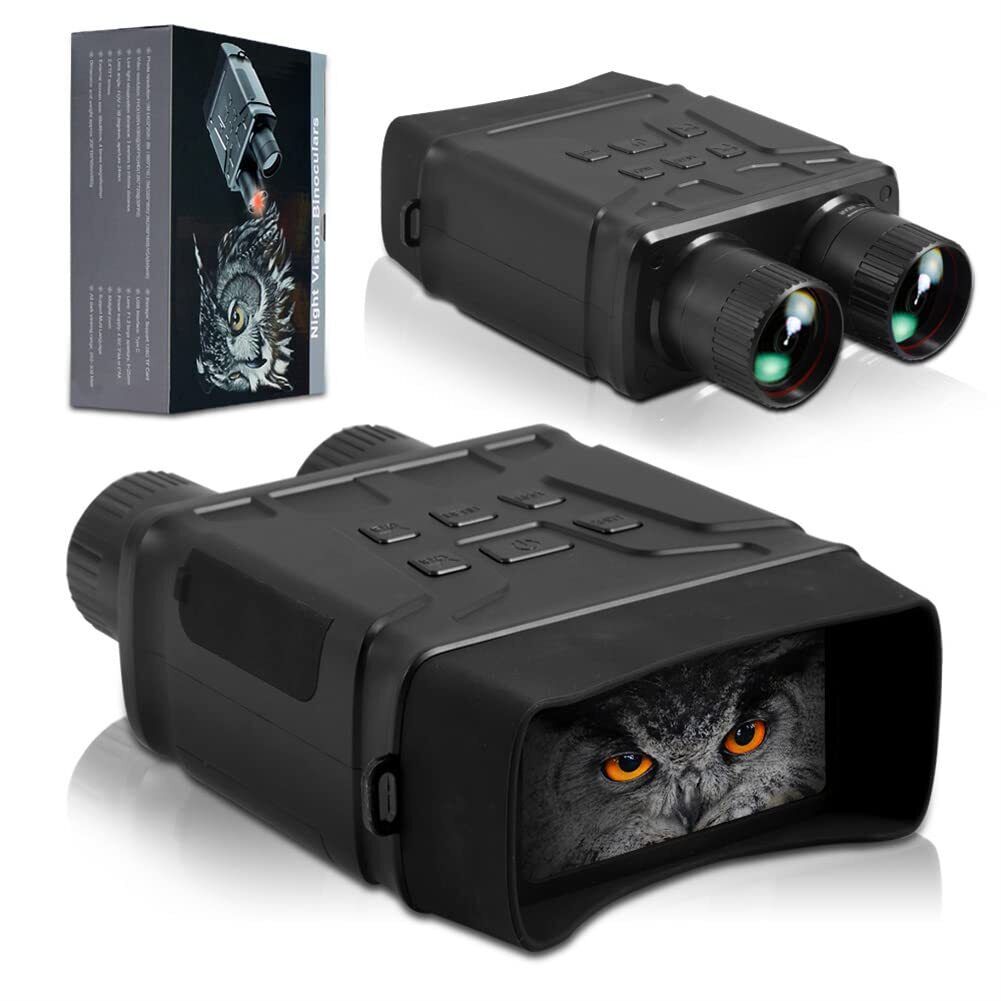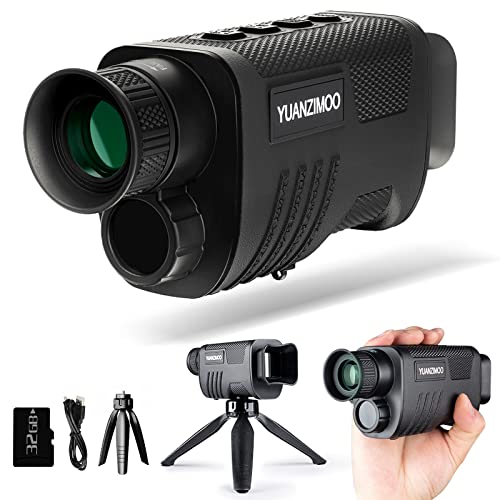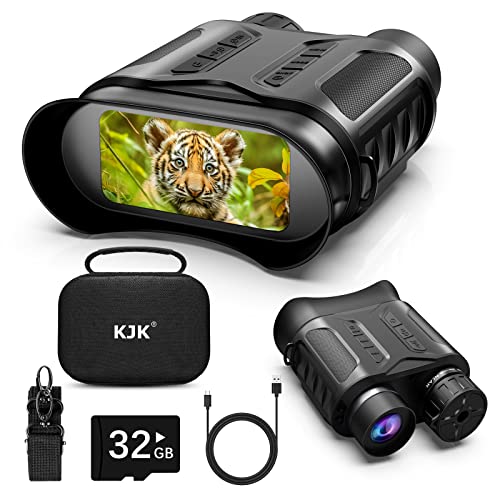
When it comes to picking night vision goggles, you want to make sure you’re getting the right fit for your needs. There are a few key factors to consider that can help you make a solid choice.
First off, think about your budget. Night vision goggles can range from budget-friendly options to high-end models. If you just need something for casual stargazing or backyard adventures, a basic model might do the trick. But if you’re planning to use them for serious activities like hunting or surveillance, it’s worth investing in a higher-quality pair.
Next, consider the generation of night vision technology. Gen 1 goggles are the most affordable but may not provide the best clarity. Gen 2 and Gen 3 goggles offer improved resolution and performance, with Gen 3 being top of the line. If clear, high-quality vision is important to you, aim for at least a Gen 2 model.
Also, check out the field of view. A wider field lets you see more at once, which is great for tracking moving objects. But it usually comes with a trade-off in terms of magnification. Find the balance that suits your needs. Don’t forget to think about durability too, especially if you’ll be using them in rugged outdoor environments.
Lastly, look for extra features. Some goggles come with built-in IR illuminators for enhanced visibility in total darkness or adjustable eyecups for comfort. Think about what you’ll be doing with them and choose features that make your experience better.
How Night Vision Technology Works
Night vision technology lets you see in low-light conditions, making it a game changer for activities like hunting, wildlife watching, or even just enjoying the night sky. So, how does it actually work? Let’s break it down.
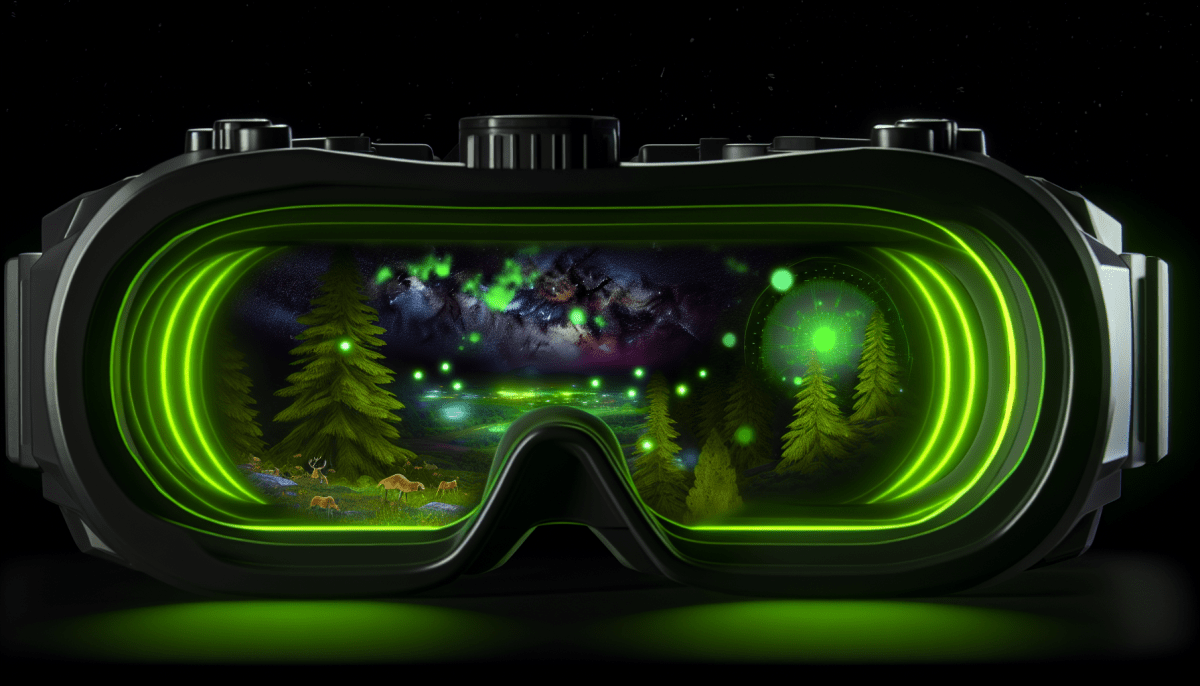
At its core, night vision works by enhancing available light. Most night vision devices use a special tube that captures tiny amounts of light, even from the moon or stars. This light gets multiplied through a series of chemical processes and then displayed on a screen. Imagine turning a dim light into a bright one—it’s kind of like that!
There are mainly two types of night vision devices: generations one, two, and three. Generation one is the most basic and suited for casual use. It uses a simple light amplification system. Generation two and three are a step up and include added features like better image quality and even infrared capabilities. These can help you see in total darkness with the help of an infrared light source.
If you want to go deeper into night vision, consider thermal imaging. This technology doesn’t just amplify light; it detects heat instead. It’s perfect for spotting animals or even people in total darkness. So if your night adventures call for clear vision under the stars, you’ve got options!
Top Benefits of Night Vision Equipment
Night vision equipment lets you enjoy the great outdoors after the sun goes down. Whether you're camping, hunting, or just enjoying a nighttime stroll, these gadgets give you a clear view when it’s dark. You won't have to strain your eyes or trip over rocks anymore!
One of the best things about night vision gear is its ability to enhance your sight in low-light conditions. You’ll see details that you would normally miss in the dark. Imagine catching sight of wildlife or spotting your friends in the distance without any hassle. That level of clarity makes a huge difference.
Safety becomes a top priority when the sun sets, and night vision equipment helps with that too. You can navigate unfamiliar areas with confidence. Whether you're hiking off the beaten path or just walking to your car in a dim parking lot, you’ll feel a lot safer knowing you can see what's ahead.
Plus, modern night vision devices are often lightweight and easy to carry. You can take them anywhere without feeling weighed down. Many options are simple to use, making it easy for anyone to jump right in and start exploring those nighttime adventures.
Tips for Using Night Vision Safely
Using night vision devices opens up a whole new world of exploration after dark, but you need to use them safely. Here are some tips to keep in mind while you enjoy your night adventures.
First, always check the device's specifications. Some night vision goggles have a limited operational lifespan when exposed to bright lights. If you’re switching between daytime and nighttime, protect your device from excess light to avoid damaging it.
Next, keep your surroundings in mind. Night vision amplifies ambient light, which is great, but it can make you less aware of obstacles. Move slowly and take your time to avoid tripping over anything. If you're in a new area, familiarize yourself with the layout during the day.
Be aware of your own eyes too. It takes time for your eyes to adjust to the low-light conditions. To get the best performance, give yourself a few minutes to adapt before you start scanning the area. If it gets too bright, take a break to let your eyes readjust.
Lastly, don’t forget to use your other senses. Night vision helps you see in the dark, but it doesn’t replace hearing or smell. Stay alert and trust your instincts. Enjoy exploring the night safely and responsibly!